The belief in the coming of Imam Mahdi in the Quran as a divinely guided leader who will establish justice on earth is closely connected to several passages of the Qur’an. These verses speak about the ultimate victory of truth over falsehood, the inheritance of the earth by the righteous, and the establishment of justice and security for believers. In Shia Islamic interpretation, many of these Qur’anic promises are understood as pointing toward the future mission of Imam Mahdi in the Quran, whose appearance will fulfill these divine assurances and bring about a world governed by justice and true faith.
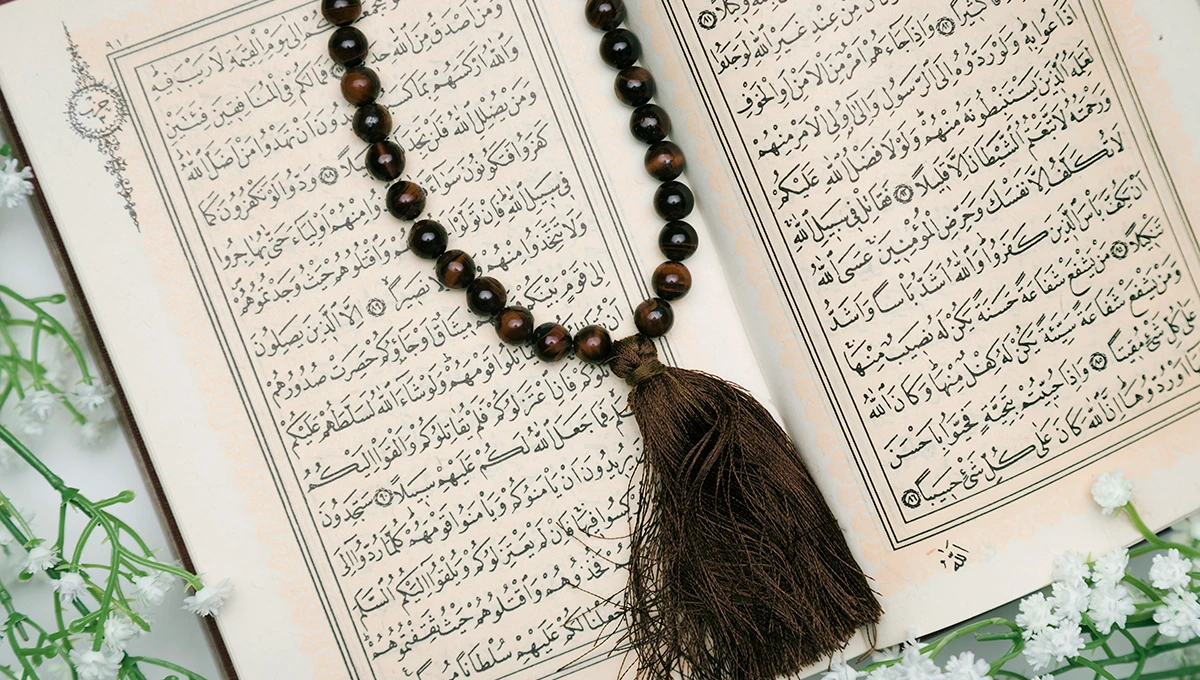
Imam Mahdi in the Quran
Many verses in the Quran refer to the coming of Imam Mahdi in the Quran and the justice he will bring.
References to Imam Mahdi in the Quran can be found throughout its teachings, emphasizing the importance of his role in establishing justice.
Many scholars of the Quran interpret the various references to Imam Mahdi in the Quran as essential to understanding the complete message of justice.
The concept of Mahdism and the global rule of the righteous appears in many Quranic verses. Some scholars have identified more than 250 verses that relate to the future triumph of justice and the establishment of a righteous government on earth.
These verses approach the subject in different ways. Some refer to the global victory of faith, others describe the inheritance of the earth by the righteous, and some allude to the leadership of the oppressed. In certain traditions, the Imams themselves have interpreted specific verses as referring to the mission and government of Imam Mahdi.
Methods of Introducing Individuals in the Quran
When studying the Quran carefully, it becomes clear that the Quran uses two main methods to introduce important individuals.
1. Naming Individuals Directly
Sometimes the Quran mentions individuals explicitly by name. This method is used when the Quran wishes to clearly identify a person.
For example, the Prophet Muhammad is mentioned directly in the Quran:
“Muhammad is the Messenger of God, and those with him are firm against the disbelievers and merciful among themselves.”
(Quran 48:29)
In such verses, the Quran not only names the Prophet but also describes the characteristics of his companions.
2. Describing Individuals Through Qualities
In other cases, the Quran introduces individuals through their characteristics rather than their names.
For example, the Quran states:
“Your guardian is only God, His Messenger, and those who believe, establish prayer, give alms, and bow in worship.”
(Quran 5:55)
Here the Quran describes the qualities of the rightful guardian after the Prophet without explicitly mentioning the person’s name.
This method shows that the Quran does not always introduce important figures by name. Instead, it often highlights their qualities and roles.
Why Is Imam Mahdi’s Name Not Mentioned in the Quran?
Understanding Imam Mahdi in the Quran helps believers connect with the prophetic traditions and the visions of justice.
A common question arises: if Imam Mahdi is such an important figure, why is his name not explicitly mentioned in the Quran?
There are several explanations offered by scholars.
Protection from Distortion
In summary, the identity and mission of Imam Mahdi in the Quran are crucial for believers looking for guidance.
If the Quran had explicitly mentioned the names of certain figures, hostile groups might have attempted to alter or remove those references in order to undermine their authority. By introducing leaders through their qualities rather than names, the Quran preserves its integrity and prevents distortion.
The Prophet Explains the Details
In many matters, the Quran gives general principles while the Prophet explains the details.
For example, the Quran commands believers to pray, fast, and perform pilgrimage, but the specific details of these practices were explained by the Prophet.
Similarly, the Quran states:
“We revealed the Reminder to you so that you may clarify to the people what was sent down to them.”
(Quran 16:44)
This verse shows that explaining certain truths is part of the Prophet’s mission. Therefore, the Prophet and the Imams from his family clarify the identity and mission of Imam Mahdi through authentic traditions.
Interpretation and Commentary on Mahdism Verses
To understand the verses related to Imam Mahdi, scholars generally approach them in two ways:
Tafsir (Exegesis)
Some verses directly discuss the future victory of the righteous and the establishment of justice on earth. These verses can naturally be understood as pointing toward the final divine government.
Ta’wil (Deeper Interpretation)
Other verses require deeper interpretation. Their outward meaning may describe historical events or general principles, but the Imams of the Prophet’s family explained that these verses also apply to the future appearance of Imam Mahdi.
The Quran contains both apparent meanings and deeper realities, and the infallible Imams are considered the most knowledgeable interpreters of these deeper meanings.
Quranic Verses Related to Imam Mahdi
Many Quranic verses have been interpreted by scholars and narrations as referring to the future government of justice led by Imam Mahdi.
Below are several examples.
1. Imam Mahdi: The Fulfillment of the Divine Promise
Qur’anic Verse
“God has promised those among you who believe and do righteous deeds that He will surely make them successors in the land, as He made those before them successors. He will establish for them their religion which He has approved for them and will replace their fear with security.”
(Quran 24:55)
This verse illustrates a promise of leadership that many believe relates directly to Imam Mahdi in the Quran.
Key Points of This Verse
This verse promises that believers who perform righteous deeds will ultimately gain leadership and authority on earth. It also indicates that the true religion of Islam will be firmly established and will prevail over injustice and corruption. As a result, the righteous will live in a society where justice replaces oppression and security replaces fear. Many scholars interpret the complete fulfillment of this divine promise as taking place during the global government of Imam Mahdi.
2. The Oppressed as Leaders and Inheritors of the Earth
Qur’anic Verse
“We desired to favor those who were oppressed in the land and to make them leaders and inheritors.”
(Quran 28:5–6)
Although these verses refer to the story of the Children of Israel and their struggle against Pharaoh, the Quran presents them as part of a universal divine principle.
A Universal Divine Tradition
Throughout history, God supports the oppressed against tyrants. The story of Moses and Pharaoh is only one example of this recurring divine pattern described in the Qur’an. Many scholars connect this theme to the concept of Imam Mahdi in Quran, where God’s promise of justice and the victory of the righteous is ultimately fulfilled through the mission of Imam Mahdi, who will rise to establish justice and remove oppression from the earth.
Future Fulfillment
According to many Islamic traditions, the most complete realization of this promise will occur during the appearance of Imam Mahdi, when the oppressed and the righteous will inherit the earth.
Imam Ali is reported to have said that God will send the Mahdi from the family of the Prophet after hardship and oppression, and through him justice will prevail.
3. The Government of the Righteous in the Quran
Qur’anic Verse
“We have written in the Psalms, after the Reminder, that the earth will be inherited by My righteous servants.”
(Quran 21:105)
Meaning of the Verse
This verse states that the righteous servants of God will ultimately inherit the earth.
Scholars explain that:
- The word “earth” refers to the entire world.
- Inheritance implies leadership, authority, and the ability to establish justice.
A Promise Across Divine Scriptures
The verse also indicates that this promise appears not only in the Quran but also in earlier scriptures such as the Psalms.
This shows that the idea of a future victory of righteousness is a universal message shared across divine revelations.
4. Imam Mahdi as “Baqiyatullah” (The Remnant of God)
The title Baqiyatullah is often associated with Imam Mahdi in the Quran, indicating his significance in Islamic eschatology.
One of the well-known titles associated with Imam Mahdi comes from the following verse:
“What remains from God is better for you, if you are believers.”
(Quran 11:86)
Many traditions link the concept of Baqiyatullah to the figure of Imam Mahdi in the Quran, reinforcing his importance.
The phrase “Baqiyatullah” literally means that which remains from God.
Meaning of the Title
Originally, the verse refers to the Prophet Shu’ayb advising his people to avoid injustice in trade and to rely on lawful blessings.
However, scholars explain that the term “Baqiyatullah” can also apply more broadly to any divine blessing that remains among humanity.
Application to Imam Mahdi
Since Imam Mahdi is the final Imam and the last divine guide among humanity, many traditions refer to him as Baqiyatullah — the remaining proof of God on earth.
According to a narration attributed to Imam Baqir, when Imam Mahdi appears he will proclaim:
“I am the remaining proof of God and His representative among you.”
Believers will greet him with the words:
“Peace be upon you, O Baqiyatullah on earth.”
5. The Victory of the True Religion
Qur’anic Verse
“He is the One who sent His Messenger with guidance and the religion of truth so that He may make it prevail over all religions, even though the polytheists dislike it.”
(Qur’an 9:33)
Ja’far al-Sadiq said:
“By Allah, the full interpretation of this verse has not yet been realized, and it will not be realized until the rise of the Qa’im (the awaited one). When the Qa’im rises, there will remain no disbeliever or polytheist except that they will dislike his appearance.”
This narration explains that the complete victory of truth over falsehood will occur during the time of the awaited Imam.
6. The End of Falsehood
Qur’anic Verse
“Say: Truth has come, and falsehood has vanished. Indeed, falsehood is bound to perish.”
(Qur’an 17:81)
Muhammad al-Baqir said:
“When the Qa’im rises, the rule of falsehood will disappear.”
This narration highlights that the uprising of the awaited Imam will bring an end to systems of injustice and corruption.
7. Establishing Faith and Justice on Earth
Qur’anic Verse
“Those who, if We grant them authority in the land, establish prayer and give charity…”
(Qur’an 22:41)
Muhammad al-Baqir said:
“This verse refers to the family of Muhammad, particularly the Mahdi and his companions. God will grant them authority over the East and the West of the earth. Through them He will make the religion victorious and eliminate innovations and falsehood.”
This narration emphasizes that the leadership of Imam Mahdi will restore the true teachings of Islam.
8. The Supplication of the Distressed
Qur’anic Verse
“Who answers the distressed one when he calls upon Him, removes evil, and makes you inheritors of the earth?”
(Qur’an 27:62)
Ja’far al-Sadiq said:
“This verse was revealed concerning the Qa’im from the family of Muhammad. By Allah, he is the distressed one who, when he prays two units of prayer at the Station of Abraham and asks God for relief, God will answer his supplication, remove the hardship, and appoint him as the leader on earth.”
Conclusion
The concept of Imam Mahdi is deeply rooted in Islamic teachings. The theme of Imam Mahdi in Quran is often discussed in connection with verses that speak about divine justice, righteous leadership, and the ultimate victory of truth. While the Qur’an establishes this theological foundation, the Hadith literature provides more explicit descriptions of the awaited savior—his lineage, characteristics, and the global mission he will undertake. The belief in Imam Mahdi inspires hope among Muslims for the eventual triumph of truth, peace, and righteousness, reminding believers to remain steadfast and righteous as they await his return.