Eid al-Bay’ah holds a special place in Islamic history and eschatology as it marks the commencement of the leadership of Imam Mahdi (A.S.), the Twelfth Imam. This sacred day symbolizes the beginning of the reign of the final divinely guided leader, destined to restore justice, peace, and truth across the world.
The concept of the Twelfth Imam is central to Shia Islam. Imam Mahdi (A.S.) is the awaited savior, a divinely appointed leader whose return will be the greatest news for humanity. All prophets, from Adam (A.S.) to Jesus (A.S.), foretold his arrival, recognizing that the final era of justice and divine guidance would unfold under his leadership.

The Significance of Eid al-Bay’ah
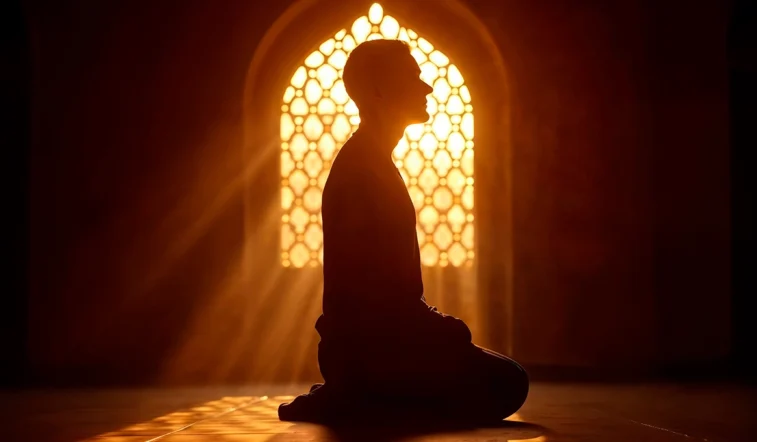
Eid al-Bay’ah is not just a historical date—it is a spiritual and global symbol of hope. It commemorates the day when humanity’s path toward ultimate truth and divine purpose begins to manifest through the guidance of the 12th Imam. On this day, believers renew their pledge (Bay’ah) to support and await the emergence of Imam Mahdi (A.S.) and to prepare their hearts for a world guided by justice.
What is Bay’ah?
Bay’ah literally means “pledge” or “allegiance.” It is a formal commitment of loyalty to a leader, particularly to an Imam in Shia Islam. Through Bay’ah, followers express both spiritual and social allegiance, promising to obey the Imam’s guidance and support his mission.
Historically, Bay’ah has deep roots in Islamic tradition:
- Whenever an Imam passed away, the Shia community would go to the succeeding Imam to renew their pledge of loyalty, expressing both condolences and devotion.
- Even before an Imam’s death, previous Imams sometimes took Bay’ah from the people for their successors.
- For example, the Prophet Muhammad (PBUH) took Bay’ah for Imam Ali (A.S.) at Ghadir Khumm, declaring: “For whoever I am his leader (Mawla), Ali is his leader.” This pledge took three days to complete, with men and women participating, symbolizing full community endorsement.
- In some cases, the Prophet (PBUH) and Imams would take both private and public pledges to emphasize commitment to the next Imam or for themselves, such as the Bay’ah of Ridwan.
- Imams also reminded the community of prior Bay’ah, ensuring continuity of allegiance. For instance, Imam Ali (A.S.) and Imam Husayn (A.S.) frequently reminded followers of their pledges, stressing the seriousness of this commitment.
Thus, renewing Bay’ah with an Imam is not unusual or unprecedented. It has been an integral part of the spiritual and social life of the Shia community throughout history.
The Role of the Twelfth Imam in Global Justice
The mission of Imam Mahdi (A.S.) extends beyond politics and governance. His leadership will unify hearts, establish universal peace, and replace oppression and corruption with fairness and truth. Every action he takes will be guided by divine wisdom, fulfilling the ultimate purpose of creation. The return of the Twelfth Imam will be a turning point in human history, marking the beginning of an era where justice, equality, and faith prevail worldwide.
Don’t Miss These Related Stories:
- Law and Order Under Imam Mahdi’s (AS) Rule
- Will Imam Mahdi Govern the Entire World?
- Without Divine Guidance, Peace Is Impossible
Why All Prophets Awaited His Return
Throughout history, prophets and righteous figures anticipated the arrival of Imam Mahdi (A.S.). From Moses (A.S.) to Jesus (A.S.), all emphasized the importance of the awaited savior who would complete the divine mission of guiding humanity. The Twelfth Imam represents the culmination of all prophetic efforts, bringing balance to the world and realizing the divine promise of ultimate justice.
Global Impact of the Twelfth Imam’s Return
The news of the reappearance of Imam Mahdi (A.S.) will resonate globally, inspiring hope and spiritual awakening in the hearts of millions. His leadership will establish a just world order, where humanity can live in harmony, free from oppression and suffering. For believers, Eid al-Bay’ah is a reminder of the inevitability of his return and the importance of spiritual preparedness for the era of divine justice.
More Stories That Matter:
- Modern Nations Under Imam Mahdi’s (AS) Rule
- Imam Mahdi’s (AS) Economic System of Divine Justice
- How Will Mahdi’s Rule Affect the Environment?
Conclusion
Eid al-Bay’ah is more than a celebration—it is the commemoration of divine leadership, global justice, and humanity’s ultimate purpose. The Twelfth Imam, Imam Mahdi (A.S.), embodies the hope and guidance that all prophets promised. His return will unite humanity, establish peace and truth, and fulfill the divine mission of justice on Earth.
Renewing the Bay’ah with Imam Mahdi (A.S.) is a continuation of a centuries-old tradition of allegiance, rooted in the lives of the Prophet Muhammad (PBUH) and the Imams. It is a spiritual and communal act of devotion, reinforcing the bond between the leader and his followers, ensuring the continuity of divine guidance across generations.
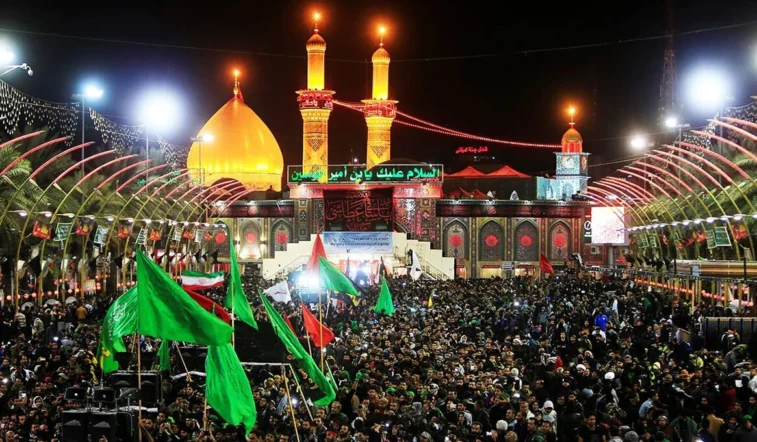
Believers around the world observe Eid al-Bay’ah with devotion, reflecting on their spiritual responsibilities and preparing for the era of the Twelfth Imam, when divine guidance will illuminate every corner of the world.