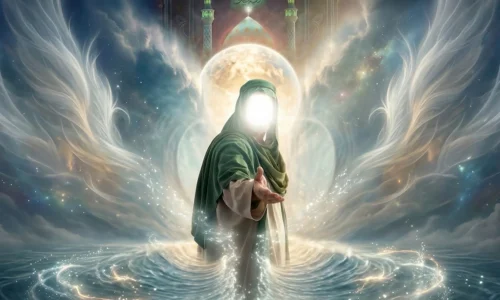
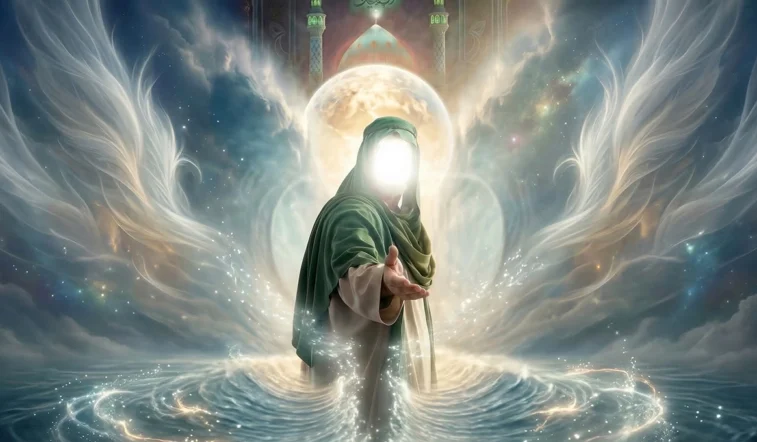
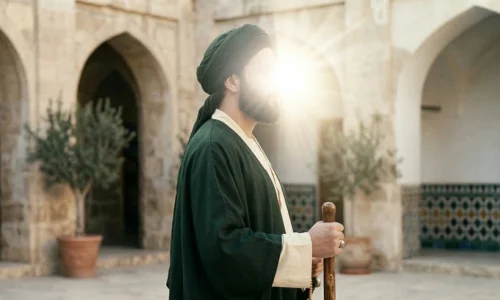
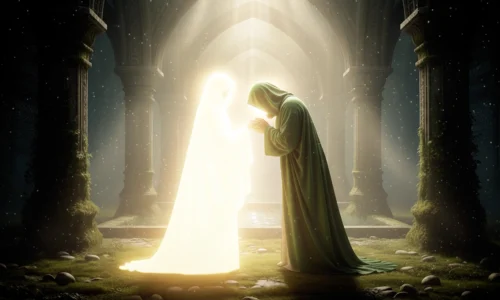
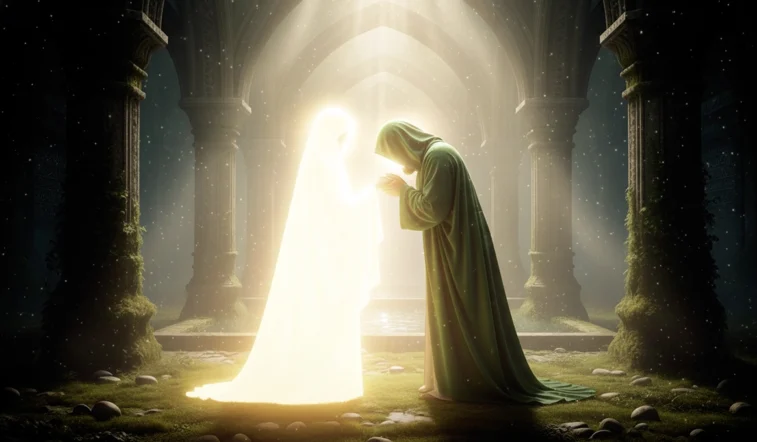
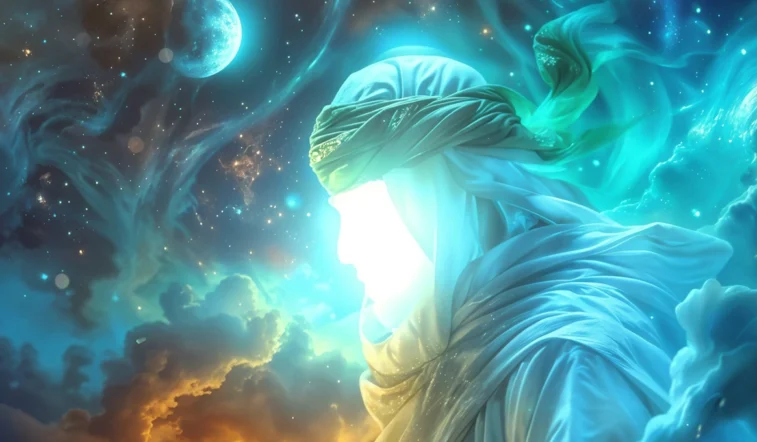
Explore the 12th Imam, Imam Mahdi, in Shia Islam, covering his birth, occultation, remarkable long life, awaited return, and mission to establish justice and guide humanity.
Understanding the essential qualities—such as knowledge, piety, justice, and infallibility—that define the divinely guided leadership of an Imam in Shia Islam.
Explore the profound spiritual connection between Lady Fatima (sa) and Imam Mahdi (aj). This article highlights how her legacy guides and strengthens his divine mission. A timeless bond that continues to inspire believers.
Eid al-Bay’ah marks the sacred day of renewing allegiance to the Twelfth Imam, Imam Mahdi (A.S.). It is a time for spiritual devotion, unity, and reaffirming faith in divine guidance and justice.
While both Shia and Sunni Muslims await the Mahdi as a divinely guided leader who will establish global justice, they differ significantly on his identity, timeline, and role in the end times.
Many signs foretell the reappearance of Imam Mahdi (AJ), pointing to global change and spiritual awakening. They remind believers to stay prepared and hopeful.
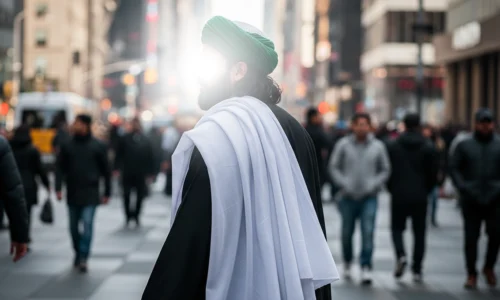
Though hidden from public view, Imam Mahdi (AJ) is alive and continues to guide the world spiritually. His presence ensures that divine mercy and leadership remain on Earth.
Imam Mahdi (AJ) entered occultation by divine command to protect his life and preserve true faith. His concealment is a test and preparation for a global mission of justice.
Imam Mahdi (AJ) descends from the noble lineage of Prophet Muhammad (PBUH) through Imam Hassan al-Askari (A.S.). His pure ancestry affirms his divine role as the 12th and final Imam.
Imam Mahdi (AJ) is the divinely promised savior who will fill the world with justice and peace. Understanding his role gives meaning to hope, resistance, and spiritual readiness.
Many myths surround Imam Mahdi (AJ), clouding his true mission and identity. This piece separates fact from fiction to reveal the real promise of the 12th Imam.
During the occultation, the 12th Imam (AJ) guided the faithful through trusted deputies and divine insight. Though hidden, his connection with the ummah remained strong and purposeful.
Imam Mahdi’s (AJ) birth was kept hidden due to political threats, yet marked by divine signs. These truths reveal the sacred beginning of the 12th Imam’s mission to guide humanity.
Imam Mahdi’s (A.S.) return is echoed in Islamic, Christian, and Jewish texts as a promise of global justice. This shared prophecy unites faiths in hope for a divinely guided future.
Imam Mahdi (AJ) is the awaited 12th Imam in Shia Islam, destined to bring justice and peace. His identity and mission are central to hopes for a divine global transformation.
His name is Mahdi, the twelfth Imam, the only promised savior and guide destined to bring justice, peace, and hope to a world in crisis. His mission is to unite hearts and restore truth for all of humanity.
Understanding why Imam Mahdi entered a prolonged occultation, how believers maintain their faith in his return, and what Islamic teachings say about his eventual reappearance.
Imam Mahdi (AJ) was born in 255 AH in Samarra, under divine protection and secrecy. His early life was marked by hidden guidance, preparing him for his future global mission.
Key verses from the Qur'an that Shia scholars interpret as referring to the future mission of Imam Mahdi, highlighting God’s promise that the righteous will inherit the earth and justice will ultimately prevail over oppression.
He is called the “12th Imam” because he is the twelfth and final leader (Imam) in the line of Imams from the Prophet Muhammad’s family, as believed by Shia Muslims.
When and where was Imam Mahdi born?
He is called the “12th Imam” because he is the twelfth and final leader (Imam) in the line of Imams from the Prophet Muhammad’s family, as believed by Shia Muslims.
Where is he now?
He is called the “12th Imam” because he is the twelfth and final leader (Imam) in the line of Imams from the Prophet Muhammad’s family, as believed by Shia Muslims.
What religions believe in Imam Mahdi?
He is called the “12th Imam” because he is the twelfth and final leader (Imam) in the line of Imams from the Prophet Muhammad’s family, as believed by Shia Muslims.
Why did Imam Mahdi go into occultation?
He is called the “12th Imam” because he is the twelfth and final leader (Imam) in the line of Imams from the Prophet Muhammad’s family, as believed by Shia Muslims.
When will Imam Mahdi reappear?
He is called the “12th Imam” because he is the twelfth and final leader (Imam) in the line of Imams from the Prophet Muhammad’s family, as believed by Shia Muslims.